
The house you pictured, at the price you signed.
Allowances set honestly, trades bid before the contract, and change orders kept for the changes you actually choose.

How we build
Allowances set at real numbers. Changes priced before they happen. No delay without an explanation.
The work
What we take on
New houses, estates and renovations, and the planning that comes before them.
-
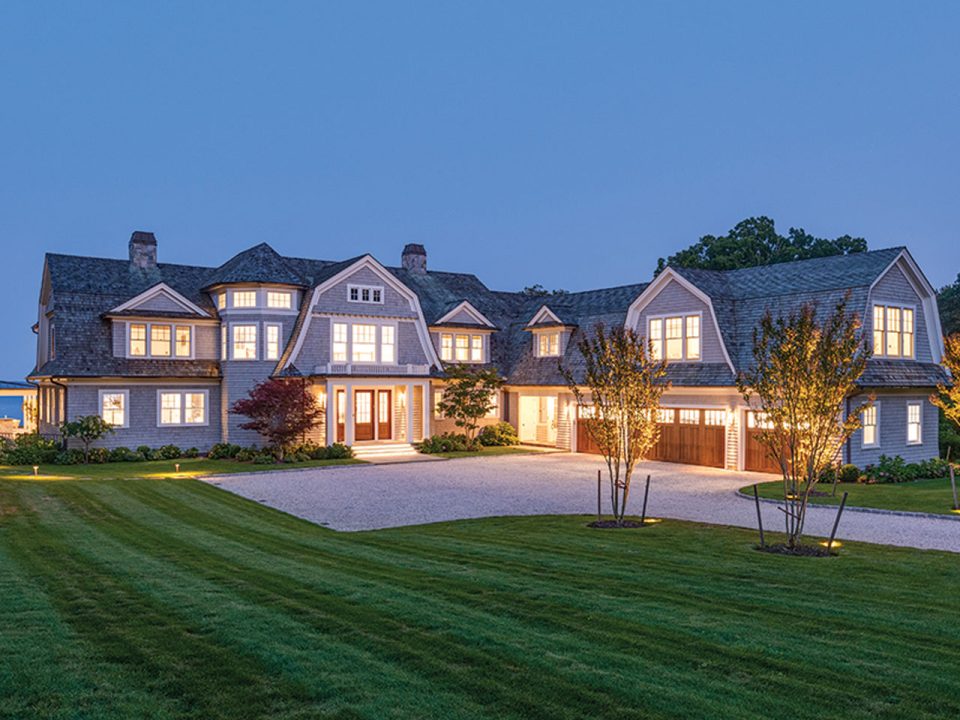
Custom homes and estates
Architecturally driven houses from your drawings or ours, estimated line by line before the contract and built to those drawings, details and specifications.
-
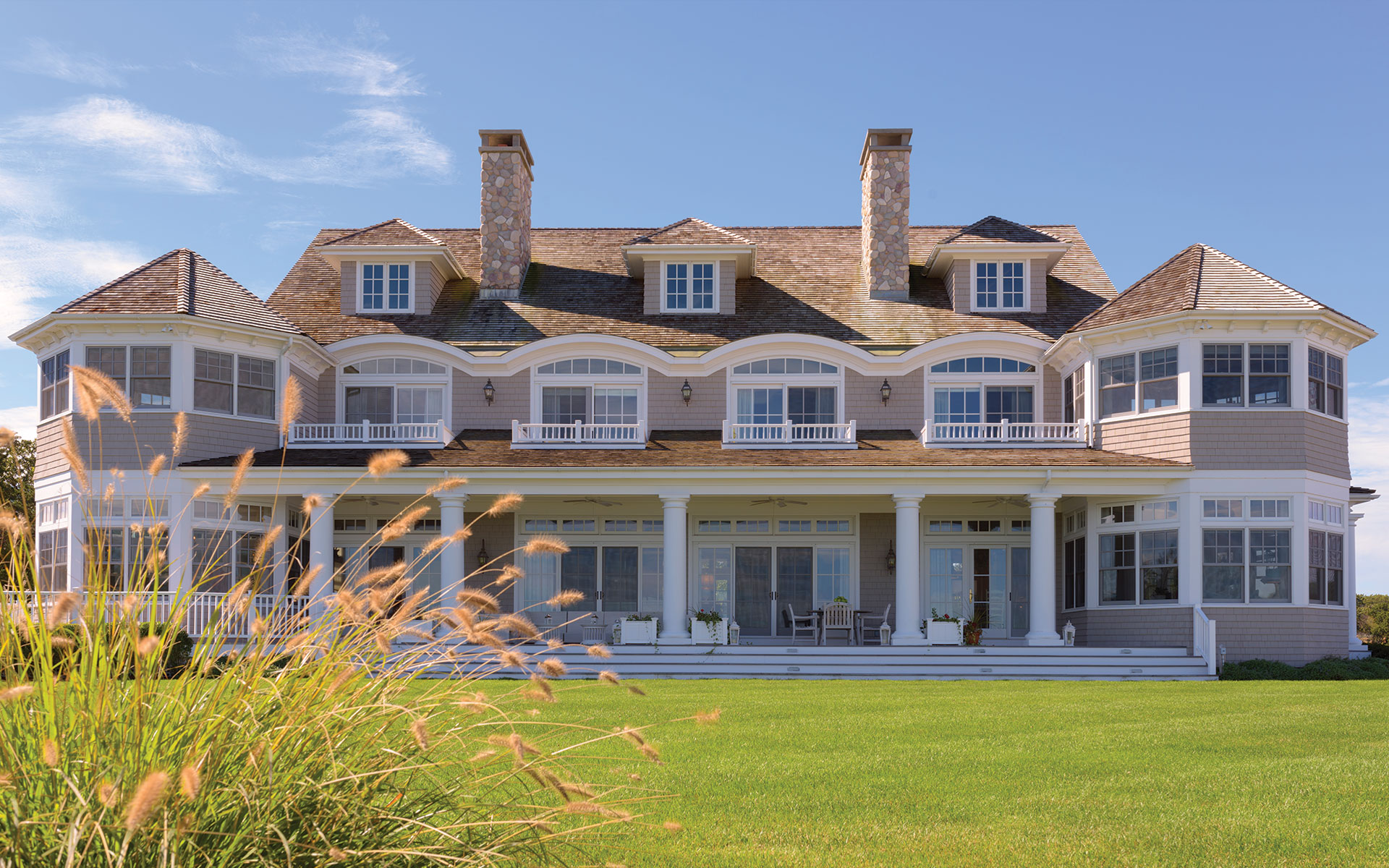
Whole-house renovation and restoration
Taking an older house down to what is worth keeping and rebuilding around it, with the same estimating, schedule and superintendent as a new build.
-
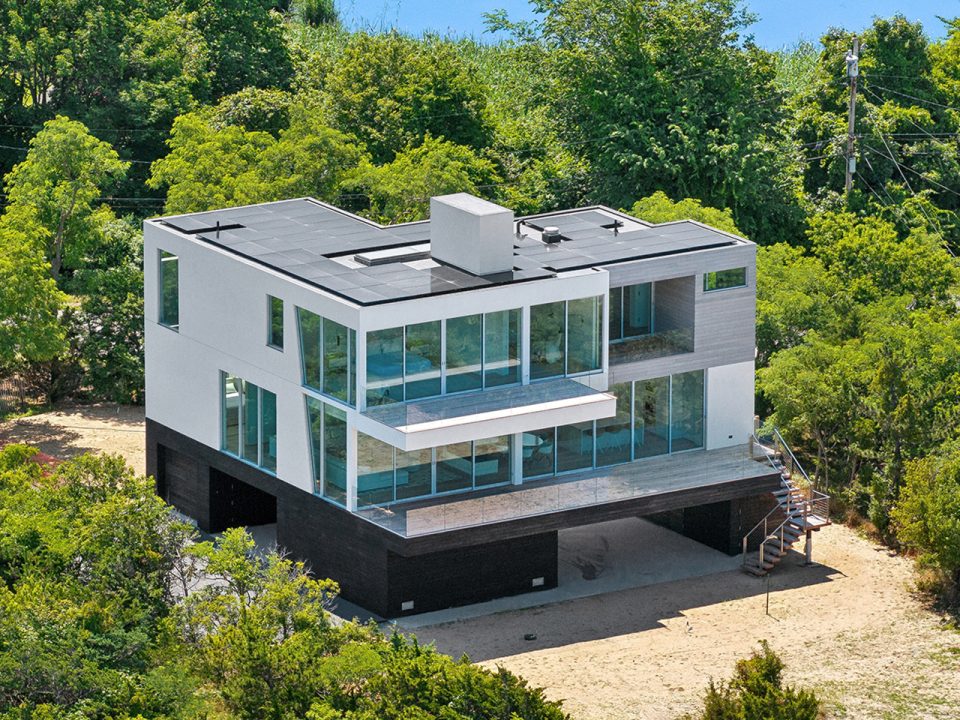
Design-build with your architect
In the room from schematic design, so cost and buildability are settled on paper and the architect’s intent survives the site.
-
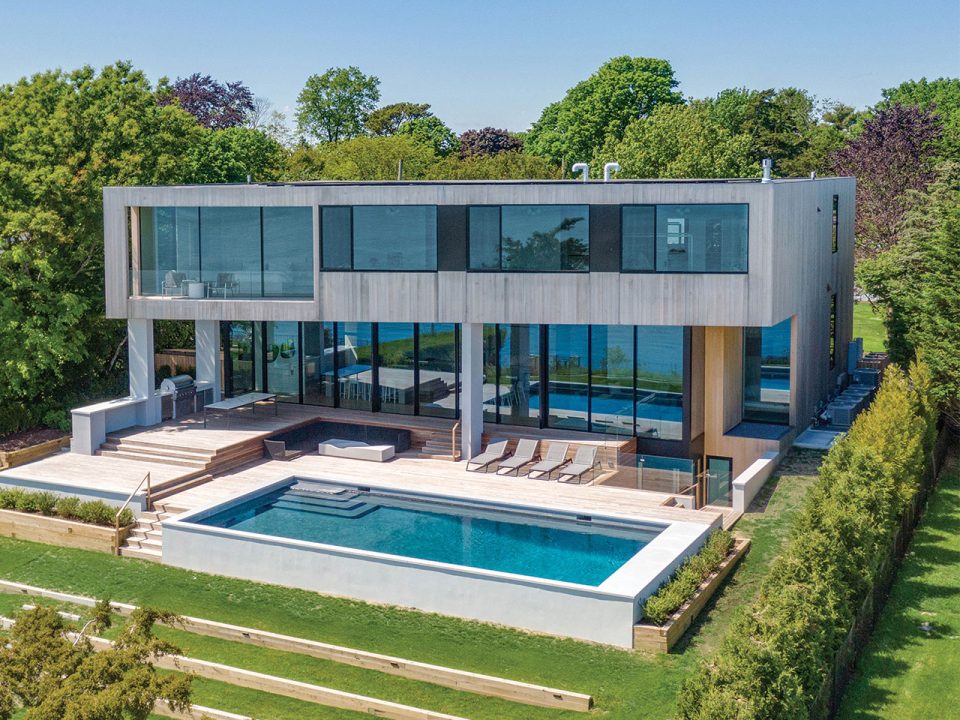
Pre-construction planning
Site evaluation, plan development, trade-partner bids, allowances and a schedule, settled before ground is broken.
A site walk, and a straight answer about scope, budget and time
The builder
John Seifert
co-owner, third generation
The person who answers for the number, the schedule and the drawings.
How it goes
Pre-construction to closeout
-
Pre-construction
The site, the drawings, bids from the trades, allowances set where selections actually land, and a plain explanation of fixed price versus cost-plus. Nothing is signed until the number is real.
-
Construction
A superintendent on site, a schedule with real dates, and progress measured against it so you always know where the house stands.
-
Closeout and warranty
Systems tested, the punch list walked and closed, documentation handed over, and a warranty answered by the builder rather than a claims processor.
What owners ask first
Fixed price or cost-plus?
Fixed price and cost-plus contracts can both be right for a custom home. Fixed price means the builder bids everything and gives you one number including the fee; cost-plus means actual cost plus a fixed fee or a percentage, with the books open. Ask any builder to explain both, and which they recommend for your house and why.
Why do custom home budgets creep?
Custom home budgets usually creep through allowances. The placeholder budgets for lighting, appliances, fixtures, cabinets, tile and flooring are often set low to win the job, and every selection then arrives as a change order. Ask how allowances were set and what similar houses actually spent.
Who is actually on site every day?
The person on a custom home site every day should be a named superintendent; ask any builder for the name. A dedicated superintendent who is on the project for its whole duration, backed by trade partners the builder has used before, is what a clean, on-schedule site looks like. If the answer is the owner and a phone, ask again.
What happens after we move in?
After you move into a custom home, what matters is the warranty and someone who answers it. The common structure is one year on materials and workmanship, two on mechanical, electrical and plumbing, ten on structure. Ask who takes the call in year three, and whether it is the people who built the house.
Tell us about the house
A first conversation is a walk through the site or the house you have and a look at what you have drawn or imagined. It commits you to nothing.